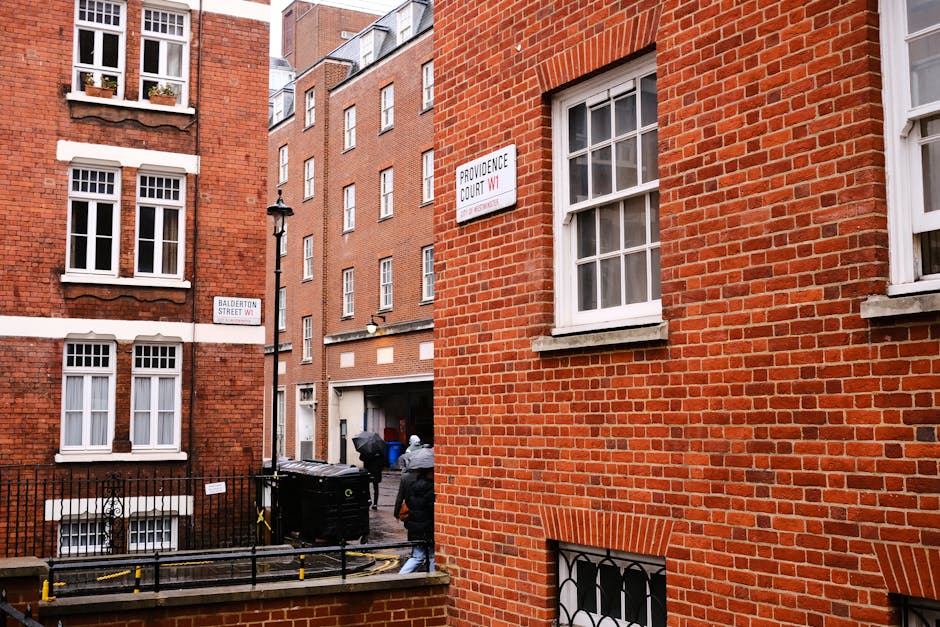
Fitzroy Square furniture clearance and rubbish collection W1T
If you are dealing with bulky furniture, mixed household waste, or a flat that needs clearing near Fitzroy Square, you already know the awkward part is rarely the lifting itself. It is the planning, the access, the timing, and the worry about what can be taken away properly. Fitzroy Square furniture clearance and rubbish collection W1T is the practical answer when you want the room cleared without the usual faff, delays, or half-finished pile of items sitting by the door all day.
This guide explains how the service works, who it helps, what to expect, and how to avoid the common mistakes that make a simple clearance feel much bigger than it should. You will also find a straightforward checklist, a comparison of different removal options, and a few real-world pointers that are easy to act on. No fluff, just useful guidance.
Table of Contents
- Why Fitzroy Square furniture clearance and rubbish collection W1T Matters
- How Fitzroy Square furniture clearance and rubbish collection W1T Works
- Key Benefits and Practical Advantages
- Who This Is For and When It Makes Sense
- Step-by-Step Guidance
- Expert Tips for Better Results
- Common Mistakes to Avoid
- Tools, Resources and Recommendations
- Law, Compliance, Standards, or Best Practice
- Options, Methods, or Comparison Table
- Case Study or Real-World Example
- Practical Checklist
- Conclusion
- Frequently Asked Questions
Why Fitzroy Square furniture clearance and rubbish collection W1T Matters
Fitzroy Square sits in a part of London where space is precious and access can be, well, a bit awkward. That matters more than people expect. A large wardrobe, a worn sofa, or a stack of boxes may not sound like much until you have to move them down stairs, around a tight landing, and out to a vehicle on a busy street. Suddenly, what looked like a quick tidy-up becomes a project.
Furniture clearance and rubbish collection matters here because it helps keep homes functional and safe. It also matters if you are moving out, reconfiguring a property, making room for new furniture, or dealing with accumulated waste after refurbishments. In a shared building, the last thing anyone wants is hallways blocked by broken chairs or bags left waiting for a council collection that may not suit the timing.
There is also the question of disposal responsibility. Not everything should go in the nearest bin, and not every item is suitable for a standard refuse pickup. Old mattresses, sofas, appliances, and mixed waste all create different handling needs. When done properly, clearance is not just about removal. It is about sorting, loading, transporting, and directing items towards reuse, recycling, or lawful disposal where appropriate.
For local residents, landlords, agents, and small businesses in W1T, the biggest value is simple: fewer delays, less mess, and a cleaner handover. That is the practical side. The calmer side is that you can get on with your day instead of circling back to a heap of unwanted stuff all week. Let's face it, nobody enjoys looking at an old three-seater in the hallway for three straight days.
How Fitzroy Square furniture clearance and rubbish collection W1T Works
The process is usually more straightforward than people imagine. Most clearances begin with a description of the items, the access route, and the size of the job. Good planning at this stage saves a lot of lifting later. A reliable provider will want to know whether the items are on the ground floor, up stairs, in a loft, or tucked into a basement room with narrow access. Those details matter.
Once the job is confirmed, the team arrives with the right vehicle and equipment. Depending on the load, that may include sack trucks, protective gloves, blankets, and sometimes dismantling tools for large furniture. Items are then separated so that reusable goods, recyclable materials, and general waste can be handled properly. If there is anything unusual, such as a fridge or a potentially hazardous item, it should be identified before collection day.
For many customers, the appeal is the collection itself. You point to the items, and the team does the rest. That includes awkward lifting, loading, and the less glamorous bits like sweeping up after removal. A tidy finish matters. Nobody wants a room cleared only to find chips of wood, dust, or a trail of packaging left behind.
If you need broader support beyond one-off furniture removal, related services such as flat clearance, home clearance, or house clearance can be useful when the job extends beyond a single room. For larger or mixed loads, general waste removal may be the better fit.
One small but important point: clear communication makes the whole thing smoother. If there are items in a loft, items behind a storage cage, or a sofa that needs to be broken down to get through the door, say so early. It saves time and avoids surprises, and surprises are rarely helpful here.
Key Benefits and Practical Advantages
The strongest benefits are practical, but they often end up feeling more personal than that. A cleared room can change how a property feels almost immediately. The light comes in better. The space feels usable again. You can measure, decorate, rent, or move without working around unwanted clutter.
- Fast space recovery: ideal when you need a room usable again the same day.
- Less physical strain: no wrestling with bulky pieces down stairs or through narrow communal areas.
- Cleaner handover: helpful for landlords, tenants, agents, and sellers.
- Better sorting: items can be separated for reuse, recycling, or disposal.
- Reduced disruption: no need to coordinate multiple trips to a tip or reuse site.
There is also a financial side to this. A well-organised clearance can reduce the hidden costs of doing it yourself: van hire, fuel, parking stress, time off work, and the risk of damaging walls or furniture while moving items. In London, those small costs add up quickly. Sometimes the cheapest-looking option becomes the most expensive by tea time.
Another benefit people overlook is emotional. Clearing a room after a move, a bereavement, a tenancy change, or a long period of accumulation can feel heavy. A professional and respectful service helps take the pressure down a notch. Not everything is about speed. Sometimes it is about having the job handled properly and without drama.
Who This Is For and When It Makes Sense
This kind of service is a good fit for a wide range of people in and around Fitzroy Square. It is not only for large clear-outs. Sometimes a couple of items are enough to justify it, especially if they are awkward, heavy, or difficult to transport safely.
Typical users include:
- tenants moving out of a furnished flat
- landlords preparing a property for new occupants
- homeowners replacing old furniture
- estate agents and property managers on a deadline
- small offices clearing desks, chairs, or filing cabinets
- residents dealing with post-renovation clutter
- people who simply do not have the time, tools, or muscle for the job
It also makes sense when items are too bulky for normal bin collections. A sagging sofa, a broken bed frame, or a wardrobe that will not come apart easily can become a real nuisance. If your first thought is, "I do not fancy dragging that down two flights of stairs," you are probably in the right category.
For mixed domestic jobs, it may be worth looking at furniture clearance together with furniture disposal, especially if some items are fit for reuse and others are not. If there are mattresses or sofas in the mix, mattress and sofa disposal can be the more specific, sensible route.
Step-by-Step Guidance
If you want the process to feel easy, a little prep goes a long way. Here is the simplest way to approach a clearance job near Fitzroy Square.
- List what needs removing. Be honest and include the awkward bits. A couple of extra items are easier to handle on the front end than on the day.
- Check access. Think about stairs, lifts, parking, and whether anything needs dismantling.
- Separate what should stay. It sounds obvious, but the item you wanted to keep is often hiding behind the item you meant to throw out.
- Identify special items. Fridges, appliances, or anything potentially hazardous should be mentioned early. For example, fridge and appliance removal is best discussed separately from ordinary furniture.
- Ask for a clear price explanation. You want to understand what is included before the collection begins.
- Prepare communal spaces. Keep hallways clear, move small fragile items, and warn neighbours if access may be briefly busy.
- Be present if possible. It helps to point out exactly what is going and what is staying.
- Do a final walk-through. Check cupboards, corners, and behind doors. Things hide in plain sight.
A small bit of advice from experience: take a photo of the items before collection. It helps if you need to compare scope later, and it can be useful when several people are involved in the decision. Nothing dramatic. Just a few quick phone pictures. Ten seconds, done.
If the clearance is part of a bigger project, you might also need support with loft clearance, garage clearance, or office clearance. The same general rule applies: the more accurate the brief, the easier the collection.
Expert Tips for Better Results
First, think in terms of sorting, not just removing. A room full of stuff becomes much easier to handle if you make a quick divide between keep, donate/reuse, recycle, and dispose. You do not need a perfect system. A few labelled piles or simple corners of the room will do.
Second, protect access routes. If you are moving furniture through a flat with polished floors or tight corners, lay down temporary protection where needed. A little care now prevents scuffed paintwork and extra stress later. It is boring advice, yes. Still useful.
Third, try to group items by type. Sofas with sofas, boxes with boxes, loose rubbish in bags, and awkward pieces by the door. Why does this help? Because crews can work more efficiently when they are not zig-zagging around a room trying to decide what comes next.
Fourth, be realistic about weight and condition. A chest of drawers that looks manageable may be heavier than expected once it is shifted. Water-damaged or broken items can be more fragile too, not less. If an item is already unstable, point that out before anyone starts moving it.
Fifth, choose the right service level. For a single room of mixed items, you may not need a full property clearance. For a large end-of-tenancy job, a broader solution makes more sense. If the load is mostly general rubbish, waste removal may be the cleanest option. If it is mostly furniture, then a dedicated furniture service is usually better.
And one more, slightly human tip: keep a kettle on. A short, well-run clearance often feels much easier when there is a cup of tea waiting at the end. London tradition, really.
Common Mistakes to Avoid
People usually do not make dramatic mistakes. It is more often a series of small, avoidable ones. The most common is underestimating the volume of items. What looks like "just a few things" can turn into a van-load once everything is gathered in one place. If you have ever moved house, you probably know the feeling.
Another common issue is forgetting to mention access restrictions. Narrow stairs, no lift, timed building access, or loading difficulties can all affect how long the job takes. Mention them early. It is not oversharing; it is planning.
Some people also leave decisions until the last minute. That is how throwaway items get mixed up with keep items, and how collections end with a slightly panicked search for missing documents, chargers, or sentimental bits that were sitting under a blanket. Slow down for ten minutes before the team arrives. Worth it.
Other mistakes to avoid:
- placing items where they block exits or shared hallways
- assuming every item is suitable for the same type of collection
- forgetting to mention bulky items that require dismantling
- leaving the final clear-up until after the vehicle leaves
- choosing a service without checking what is included in the quote
There is also a trust issue here. If a provider is vague about what happens to collected items, ask questions. A serious service should be able to explain how it handles recycling, disposal, and any special waste categories in a plain, sensible way.
Tools, Resources and Recommendations
You do not need specialist equipment to prepare for a clearance, but a few simple tools help enormously. Heavy-duty bags, packing tape, a marker pen, a step stool, work gloves, and a cloth for dusting can all make the process smoother. Nothing fancy. Just practical.
For larger items, a screwdriver or Allen key set can help with taking apart bed frames, shelving, or flat-pack furniture. If you are not sure a piece can be dismantled safely, do not force it. Stripped screws and cracked panels create more hassle than they solve.
It can also help to use the related information pages on the site when you are comparing services or checking the right route for your items. For example, if you are unsure how a load should be handled, pricing and quotes can help set expectations, while recycling and sustainability explains the broader approach to responsible disposal. If you are planning a renovation or property refresh, builders waste clearance may be relevant too.
Expert summary: The best results usually come from simple preparation, honest item descriptions, and choosing the service that matches the actual job, not the job you hoped it would be. That sounds obvious, I know, but it saves time, money, and quite a bit of back-and-forth.
Law, Compliance, Standards, or Best Practice
When furniture and rubbish are removed from a property, the important point is that waste should be handled responsibly and in line with UK waste expectations. You do not need to become an expert in regulations, but it helps to understand the general standard: waste should be collected, transported, and dealt with properly rather than dumped, mixed carelessly, or left in common areas.
For householders and businesses alike, best practice includes clear item descriptions, safe handling, appropriate sorting, and proper disposal routes for anything unusual. Some items need more care than others. For example, electrical appliances, fridges, or potentially hazardous materials should not be treated like ordinary chair or table removal. If in doubt, disclose the item early and let the provider guide the process.
There is also a straightforward safety angle. Lift technique matters, routes should be clear, and hazardous or broken items should be treated cautiously. A team that follows sensible health and safety procedures helps reduce the risk of injury or property damage. For a reassuring overview of working standards, you can review health and safety policy and insurance and safety.
For businesses, record-keeping and duty of care are often part of the picture as well, especially where waste streams are mixed or office furniture is being cleared. If that applies to you, business waste removal is a sensible page to review. If you need confidential paperwork handled alongside furniture, confidential shredding is also worth considering.
Options, Methods, or Comparison Table
There is more than one way to clear furniture and rubbish from a Fitzroy Square property. The right choice depends on volume, timing, access, and how much involvement you want to keep for yourself.
| Option | Best for | Pros | Trade-offs |
|---|---|---|---|
| Do it yourself | Very small loads, easy access, no urgent deadline | Full control, can be cheaper in simple cases | Time-consuming, physically demanding, parking and transport can be awkward |
| Scheduled council-style disposal | Basic household waste and non-urgent items | Can work for standard waste streams | Less flexible, may not suit bulky furniture or tight timelines |
| Private furniture clearance | Bulky furniture, mixed items, fast turnaround | Convenient, efficient, suitable for awkward access | Usually costs more than doing everything yourself |
| Full property clearance | End-of-tenancy, probate, refurb, or large-scale cleanouts | Comprehensive, tidy, less coordination needed | More involved planning, not necessary for small jobs |
If you are wondering whether a skip is a better fit, it depends on what you are loading and how much space you have available. For some jobs, a skip works well; for others, it becomes one more thing to manage. A useful reference point is what can go in a skip, especially if you are comparing on-site container options with a direct clearance service.
Practical rule of thumb: if the items are bulky, the access is tight, or you want the room cleared in one visit, a direct collection is usually the least painful option.
Case Study or Real-World Example
Picture a typical Fitzroy Square flat: one sofa with a mark on the arm, two dining chairs, a wardrobe that has seen better days, a small pile of broken shelving, and a few black bags of general clutter gathered after a move. Nothing extreme. Just enough to make the hallway feel smaller than it really is.
The residents had tried to sort it over a few evenings, but the sofa was too bulky to move alone and the wardrobe would not fit through the door without dismantling. They also needed the space cleared before new furniture arrived the following afternoon. That sort of timing pressure is common, and to be fair, it is exactly where a local clearance service earns its keep.
The process was simple: the items were identified in advance, access details were shared, and the team arrived with the right tools. The wardrobe was broken down safely, the bulky furniture was removed without damaging the wall corners, and the remaining rubbish was collected in the same visit. Afterward, the room was left ready for measuring and cleaning. No drama. No lingering pile by the lift. Just a usable space again.
What made the difference was not speed alone. It was clarity. The items were listed properly, the route was checked, and the service matched the actual job. That is the bit people miss when they are busy. A decent plan saves a surprising amount of stress.
Practical Checklist
Use this before your collection day. It keeps things calm.
- List every item that needs removing.
- Check whether any furniture needs dismantling.
- Measure narrow stairs, doors, or tight corners if access looks tricky.
- Separate keep items from clearance items early.
- Move fragile possessions out of the way.
- Tell the provider about fridges, appliances, or unusual waste.
- Clear the route from the room to the exit.
- Confirm parking or loading access if relevant.
- Ask what is included in the service.
- Do a final room check before the team leaves.
If you are clearing a broader property, it may help to review flat clearance or house clearance alongside your furniture plan. If the job is more garden-heavy or storage-heavy, those specialist pages may be useful too.
Conclusion
Fitzroy Square furniture clearance and rubbish collection W1T is really about making a difficult job feel manageable. Whether you are shifting one bulky sofa or clearing a whole room after a move, the best outcome comes from clear planning, sensible sorting, and a service that understands tight access and local property layouts.
When the job is handled properly, you get more than an empty room. You get breathing space, a cleaner property, and a much easier next step. That matters more than people think. It changes the way a flat feels, and sometimes the way the whole week feels too.
Get a free quote today and see how much you can save.
If you want a dependable starting point, review the service details, think through your access and item list, and choose the collection method that fits the real situation rather than the ideal one. That is usually where the simplest, most stress-free solution begins.
And if the room looks a little lighter afterwards, that is a good feeling. One of the better ones, actually.
Frequently Asked Questions
What does Fitzroy Square furniture clearance and rubbish collection W1T usually include?
It usually includes the removal of bulky furniture, mixed household rubbish, and other unwanted items from a property, plus loading and responsible disposal. The exact scope depends on the job and access.
Can I book a collection for just one item?
Yes, in many cases a single bulky item such as a sofa, mattress, or wardrobe can still be collected. It depends on how awkward the item is and whether it needs dismantling or special handling.
How should I prepare before the team arrives?
Make sure the items are clearly identified, access routes are free, and keep items are set aside. If possible, move small valuables out of the room and mention anything unusual in advance.
Is this better than hiring a skip?
It can be. A clearance service is often better if you have bulky furniture, limited space, no easy parking, or items that need loading straight from inside the property. A skip can suit some jobs, but not all.
What if my furniture needs dismantling?
That is common enough. Many large items can be dismantled on site if needed, but it is best to mention this before collection day so the right tools and time are allowed for.
Do I need to be at the property during collection?
It is helpful, because you can point out exactly what should be removed and what should stay. If that is not possible, clear instructions and good labelling can help, though being present is usually easiest.
Can old sofas and mattresses be taken away?
Yes, those items are commonly collected. Sofas and mattresses often need separate handling and should be mentioned clearly when you request the service.
What happens to the items after collection?
That depends on their condition and type. Some items may be suitable for reuse or recycling, while others go for disposal. Responsible sorting is important and should be part of the service.
Is rubbish collection the same as general waste removal?
Not exactly. Rubbish collection for a furniture job usually focuses on removing bulky items and mixed loads from inside the property, while general waste removal can cover a broader range of non-bulky waste streams.
How do I know if I need furniture clearance or a full property clearance?
If you are only removing a few large items, furniture clearance is usually enough. If you are dealing with multiple rooms, a move-out, an inherited property, or lots of mixed contents, a fuller clearance makes more sense.
What if I have appliances or unusual waste mixed in?
Tell the provider early. Items like fridges, appliances, or potentially hazardous waste may need specific handling, so it is better to mention them rather than leave them out of the description.
Can this help with end-of-tenancy deadlines?
Absolutely. That is one of the most common reasons people use the service. A fast, organised clearance can make the handover much less stressful, especially when cleaners or decorators are waiting next in line.