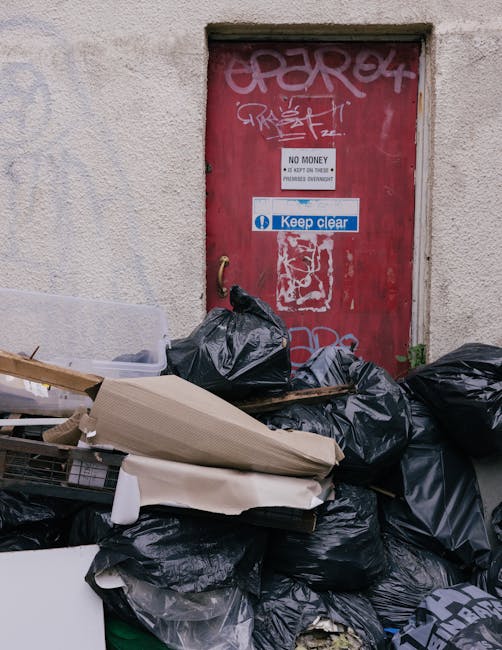
Common problems with upstairs rubbish clearance in Fitzrovia
If you live or work upstairs in Fitzrovia, rubbish clearance can become awkward very quickly. Narrow stairwells, awkward corners, tight landings, shared entrances, and time pressure all turn a simple job into a bit of a puzzle. And let's be honest, nobody enjoys hauling a broken wardrobe down three flights while trying not to chip the paint on a listed staircase. This guide looks at the most common problems with upstairs rubbish clearance in Fitzrovia, why they happen, and how to handle them without turning the whole thing into a stressful weekend project.
Whether you are clearing a flat, a top-floor office, a converted townhouse, or a storage-heavy rental, the same issues tend to come up again and again. Some are practical. Some are about safety. Some are just the reality of older London buildings. By the end, you will know what to expect, what to avoid, and how to plan a clearance that is safer, faster, and far less chaotic.
Table of Contents
- Why common problems with upstairs rubbish clearance in Fitzrovia matter
- How upstairs rubbish clearance usually works
- Key benefits and practical advantages
- Who this is for and when it makes sense
- Step-by-step guidance
- Expert tips for better results
- Common mistakes to avoid
- Tools, resources and recommendations
- Law, compliance, standards, and best practice
- Options, methods, and comparison table
- Case study or real-world example
- Practical checklist
- Conclusion
- Frequently asked questions
Why Common problems with upstairs rubbish clearance in Fitzrovia Matters
Upstairs clearance sounds simple until you try to move a heavy item through a compact London building. In Fitzrovia, many properties were not designed with modern waste removal in mind. Stairs can be steep, corridors can be narrow, and lifts may be tiny or absent altogether. That means the risk is not just inconvenience; it is damage, injury, delay, and sometimes neighbour complaints too.
The topic matters because small access problems can snowball. A bulky sofa that looks manageable in the flat may become a two-person awkward lift on the second landing. Old plaster can scuff easily. Shared entrances can be blocked. If waste is left in hallways "just for a minute", that minute often turns into a nuisance. Not ideal. Not at all.
There is also a practical side to it. The better you understand the usual problems, the easier it is to plan around them. That can save time, reduce surprise costs, and help you choose the right clearance method for the space you actually have, rather than the one you wish you had.
Expert summary: Most upstairs clearance problems in Fitzrovia come down to access, weight, safety, and coordination. If you plan for those four things early, the rest is usually much smoother.
How Common problems with upstairs rubbish clearance in Fitzrovia Works
In practical terms, upstairs rubbish clearance is the process of removing unwanted items from upper-floor rooms, loft-like spaces, flats, offices, or converted buildings without causing damage or disruption. That includes furniture, bags of general rubbish, broken appliances, cardboard, mixed clutter, and sometimes specialist waste such as old IT equipment or awkward bulky items.
The work usually starts with a look at access. Can items be carried down the stairs safely? Is there a lift, and if so, does it fit the item? Are there narrow turns, low ceilings, or fragile handrails? These are the kinds of details that decide whether a job is straightforward or fiddly. And in Fitzrovia, fiddly is common.
Then comes sorting. Clearances tend to go better when items are grouped by type: reusable, recyclable, general waste, and anything that needs special handling. For example, an old mattress should not be treated the same way as a pile of cardboard or a fridge. A lot of headaches happen when everything is mixed together too early.
Finally, there is the carry-out itself. Good clearance work usually relies on pacing, communication, and a sensible route. One person rushing ahead while another is still turning the landing is how doors get scuffed and backs get strained. You know the scene. A small snag, then another, then everyone starts laughing because the wardrobe seems to have gotten bigger on the stairs. It happens.
Key Benefits and Practical Advantages
When upstairs rubbish is handled properly, the benefits are immediate and noticeable. The flat feels bigger. Hallways become usable again. The building feels calmer. Even the air feels fresher once old clutter, dust, and broken items are out of the way.
There are practical advantages too:
- Less risk of damage: careful moving reduces scratches on walls, bannisters, floors, and door frames.
- Lower injury risk: heavy lifting on stairs is tiring, and fatigue leads to mistakes.
- Faster turnaround: a well-planned clearance avoids back-and-forth trips and unnecessary delays.
- Better recycling outcomes: sorting at source helps more material stay out of general waste.
- Less neighbour disruption: shorter blocking times and quieter handling are better for everyone in the building.
There is also the mental benefit. Clutter upstairs often feels more oppressive than clutter at ground level because you see it every day, but you also keep putting off the hard bit. Once the job is done, many people describe the place as noticeably lighter. A bit less tense. A bit easier to breathe in, even on a grey Fitzrovia morning.
If you are comparing clearance options, it can help to look at related services such as flat clearance or broader home clearance when the job involves several rooms rather than one landing worth of stuff.
Who This Is For and When It Makes Sense
This kind of clearance is for anyone dealing with upper-floor waste in a building that is not especially forgiving. In Fitzrovia, that usually means residents in converted flats, landlords between tenancies, office managers clearing upper floors, and householders dealing with a build-up after decorating, downsizing, or a long-overdue sort-out.
It makes particular sense when:
- items are too bulky to carry safely on your own;
- the stairwell is narrow, steep, or awkwardly angled;
- you need the work done quickly and tidily;
- there is limited time before a move-out, inspection, or handover;
- you want waste sorted properly instead of being left to pile up in a corridor.
It is also a good option when the job looks simple from the room itself but turns out to be a different story at the doorway. That mismatch is surprisingly common. A chair fits fine in a bedroom, then refuses to turn on the landing like it has developed principles.
For businesses, the pressure can be even greater. A cluttered upper office floor can interfere with access, fire safety, and day-to-day work. In those cases, services such as office clearance or business waste removal are often more suitable than trying to shift everything in piecemeal.
Step-by-Step Guidance
If you want upstairs rubbish clearance to go smoothly, a structured approach matters more than brute force. Here is a sensible way to handle it.
- Walk the route first. Check the stairs, turns, landings, door widths, and any tight spots. Do not assume the item will just "make it".
- Separate the waste by type. Put recyclables, reusable items, bulky waste, and general rubbish into different groups where practical.
- Measure the awkward items. This is especially useful for wardrobes, sofa frames, mattress sizes, and appliances.
- Protect the building. Use covers or padding on corners and obvious contact points if you are moving items yourself.
- Clear a staging area. Create a safe spot near the exit so items are not constantly in the way upstairs.
- Lift in teams where needed. Two people moving one heavy object slowly is usually better than one person improvising.
- Load in a sensible order. Heavier or more awkward items should be handled early while everyone is fresh.
- Do a final sweep. Check cupboards, under beds, behind doors, and on top of wardrobes. The hidden items are always the ones people forget.
If you have ever cleared a flat at 7:30 in the morning with the stairwell echoing and a bag of old cables snagging on the banister, you will know why this matters. Calm planning beats heroic lifting every time.
Expert Tips for Better Results
A few small habits make a big difference with upstairs clearance. The first is to overestimate the awkwardness of the access, not the size of the item. People usually do the reverse. They see a compact sofa and think, "Fine." Then the second landing appears, and the sofa becomes a geometry problem.
Second, start with the items that create the most obstruction. That usually means broken furniture, loose bags, cardboard towers, and anything leaning against walls or doors. Clearing the route first gives you more space to work and reduces the chance of accidental damage.
Third, be realistic about weight. A lot of upper-floor furniture is lighter than it looks, but some pieces carry weight in all the wrong places. Old wardrobes, filing cabinets, and appliance units can feel surprisingly unbalanced. If an item shifts suddenly in the stairwell, even a strong person can lose control. Not worth it.
Fourth, think about timing. Midday may be better than the school-run rush or evening delivery windows. In a busy part of London like Fitzrovia, the street outside can matter almost as much as the stairs inside. A clear route to the van saves friction.
Finally, ask whether the item really needs to go whole. In some cases, disassembly is the smarter move. A bed frame, shelving unit, or desk might become manageable once broken down. That said, do not dismantle something unless you are sure it can be reassembled only if needed, or unless you have already decided it is for disposal.
If the job includes old furniture that needs specialist handling, you may also want to look at furniture clearance and furniture disposal options, especially where heavy lifting is a major concern.
Common Mistakes to Avoid
The most common mistake is under-planning the access route. People often focus on the item and forget the staircase. But stairs are the real challenge, especially in older Fitzrovia buildings with narrow turns and limited headroom.
Another mistake is leaving too much to the last minute. If a clearance needs to happen before moving out, same-day pressure can lead to rushed decisions, poor sorting, and damaged walls. It also makes it more likely that items will end up dumped in a shared area while someone "comes back for them". That is rarely a good idea.
Here are a few others to avoid:
- Blocking fire exits or communal access: even briefly, this can cause problems for neighbours and building managers.
- Guessing that everything is recyclable: mixed materials often need separation first.
- Using the wrong lifting technique: a twisted back can ruin an otherwise simple day.
- Ignoring fragile surfaces: painted skirting, polished floors, and old plaster can mark easily.
- Assuming all waste is handled the same way: appliances, mattresses, and certain materials may need specific treatment.
One subtle mistake is emotional, not physical: trying to keep every item "just in case". It slows everything down. To be fair, that old table may have history. But if it has not been used in years and is taking up a landing, the building is probably telling you something.
Tools, Resources and Recommendations
You do not need a warehouse full of equipment, but the right few tools can prevent a lot of hassle. For smaller jobs, sturdy gloves, thick bin bags, hand trolley access, furniture sliders, and protective blankets can help. For larger upstairs jobs, a sack truck or two-person carry strategy is often more useful than sheer enthusiasm.
Recommended approaches include:
- Use decent gloves: they improve grip and reduce cuts from hidden staples or rough edges.
- Keep tape and labels handy: useful for sorting and bundling cable waste or dismantled parts.
- Protect floors and corners: especially in older properties where surfaces can be easily marked.
- Separate specialist waste early: appliances, sharps, confidential material, and hazardous items need extra care.
- Work with a clear loading plan: the van, bags, and items should not become a jumble at the end.
For jobs involving larger items or awkward materials, it can help to understand related disposal options such as mattress and sofa disposal, fridge and appliance removal, and hazardous waste disposal. Those services exist for a reason: not everything belongs in a general bag or a hurried stair carry.
If your clearance is part of a wider reset, a service like loft clearance can also be relevant where upper-floor access overlaps with storage spaces. And if you are trying to understand the business side of things before booking, pricing and quotes is the natural place to look.
Law, Compliance, Standards, and Best Practice
When clearing rubbish from upstairs in Fitzrovia, the main compliance concerns are safe handling, appropriate waste segregation, and avoiding nuisance or obstruction in shared areas. Exact responsibilities can vary depending on the property, whether it is residential or commercial, and who manages the building. So it is wise to be careful rather than casual.
In normal UK practice, waste should be handled in a way that avoids blockages, contamination, and unsafe lifting. For flats and offices, that usually means keeping communal routes clear, sorting material sensibly, and treating anything sharp, heavy, or potentially harmful with extra caution. If a clearance involves items that may be confidential, electrical, contaminated, or hazardous, they should be dealt with separately rather than bundled into general rubbish. Simple, but easy to get wrong under pressure.
Health and safety best practice also matters. Manual handling is a real issue with upstairs work, especially where there are stairs, awkward corners, or poor lighting. A sensible clearance provider should be thinking about load size, weight distribution, team lifting, and the condition of the route. If that does not happen, the risk goes up quickly.
For readers who want to check the company's approach to standards and trust, pages like health and safety policy, insurance and safety, and recycling and sustainability give a clearer picture of how careful waste handling should look in practice.
That said, if you are only moving a small amount of low-risk household clutter, the main goal is still the same: keep people safe, keep the building tidy, and do not create avoidable disruption. Common sense still counts for a lot.
Options, Methods, and Comparison Table
There is more than one way to deal with upstairs rubbish, and the best choice depends on volume, access, item type, and how much time you have. Some people try to do it all themselves. Others prefer a clearer, faster route. Neither is automatically wrong.
| Method | Best for | Pros | Limitations |
|---|---|---|---|
| DIY carry-down | Small amounts of light waste | Low direct cost, flexible timing | Physical effort, damage risk, slower for bulky items |
| Partial disassembly first | Furniture and awkward items | Can make large items manageable | Needs time, tools, and some confidence |
| Full clearance support | Heavy, mixed, or time-sensitive jobs | Faster, safer, less stress | Usually costs more than doing it yourself |
| Specialist item removal | Appliances, mattresses, hazardous or confidential waste | Handled more appropriately | Not always useful for mixed general clutter |
If the job includes a lot of mixed waste, it can also help to compare with waste removal or, for business premises, office clearance. The point is not to choose the fanciest option. It is to choose the one that fits the building and the rubbish, which sounds obvious, but gets missed all the time.
Case Study or Real-World Example
Imagine a two-bedroom flat in a Fitzrovia conversion, top floor, no lift, with a narrow turn halfway up the stairs. The tenant has old shelving, two broken chairs, a mattress, several bags of mixed clutter, and a small appliance. At first glance, it feels like a couple of quick trips. But once the shelving is measured against the landing and the mattress reaches the tight bend, the plan changes.
In a case like this, the sensible approach is to clear the small loose items first, then deal with the furniture, and leave the appliance for a separate, more careful move. If the shelving can be dismantled safely, it becomes much easier to move without damaging the wall edges. The mattress might need to be rotated diagonally, which sounds simple until you are halfway through and the banister says no. That is where patience matters.
What usually makes the biggest difference is not speed. It is sequence. Once the route is opened up, the job becomes calmer, and the last items come down without the usual panic. By the end, the flat looks bigger, the stairwell is clear, and nobody is arguing with a sofa at the landing. That alone is worth something.
If the same flat also had confidential paperwork, it would be wise to separate that from the rest and use a more appropriate route such as confidential shredding. One box of mixed papers can complicate a clearance faster than people expect.
Practical Checklist
Use this simple checklist before you start:
- Measure the biggest items, especially furniture and appliances.
- Check stair width, turns, low ceilings, and lift access if available.
- Separate general waste, recycling, reusable items, and specialist waste.
- Clear hallways, doorways, and communal routes.
- Protect floors, walls, and corners where contact is likely.
- Decide whether items need dismantling before moving.
- Confirm who is lifting, carrying, and loading what.
- Keep gloves, bags, tape, and coverings ready.
- Plan the order of removal so the heaviest or awkwardest items are not left until the end.
- Do a final sweep of cupboards, under furniture, and behind doors.
Quick reminder: if the job feels bigger once you stand in the stairwell than it did on paper, that is normal. It does not mean you misjudged everything. It just means upstairs clearance is one of those tasks where the building gets a vote.
Get a free quote today and see how much you can save.
Conclusion
Common problems with upstairs rubbish clearance in Fitzrovia are usually predictable once you know what to look for: tight access, heavy items, fragile surfaces, shared spaces, and time pressure. None of those are unusual in older London buildings, which is exactly why planning matters so much.
Whether you are clearing a flat, office, or mixed-use space, the best results come from simple habits: measure first, sort properly, protect the building, and do not rush the awkward bits. That approach saves effort and avoids the sort of mistakes that turn a routine job into a long afternoon with a sore shoulder.
If you treat upstairs clearance as a process rather than a lift-and-hope exercise, it becomes much more manageable. And in a place like Fitzrovia, that calm, tidy finish really does make a difference. One cleared stair at a time.
Frequently Asked Questions
What are the most common problems with upstairs rubbish clearance in Fitzrovia?
The main problems are narrow stairs, tight landings, awkward turns, heavy items, and damage risk to walls or bannisters. In older Fitzrovia buildings, those issues often overlap.
Is it harder to clear rubbish from a top-floor flat than a ground-floor property?
Usually yes. The extra stair flights, tighter access, and physical effort make top-floor clearances more demanding, especially with bulky furniture or mixed waste.
Can I move heavy furniture downstairs by myself?
Sometimes, but it is often not a good idea. If the item is heavy, awkward, or difficult to balance, two people are generally safer than one. On stairs, that difference really matters.
What should I do with a sofa that will not fit around the stairs?
First check whether it can be dismantled safely. If not, you may need a different removal approach. For sofas and similar bulky items, a specialist disposal service is often the cleaner option.
How do I avoid damaging walls and floors during clearance?
Protect contact points, move slowly, use enough people for the job, and clear the route before lifting anything large. Most damage happens when someone tries to rush a tight corner.
Do I need to sort recycling before an upstairs clearance?
Yes, if possible. Sorting early helps with recycling, reduces handling time, and stops recyclable material getting mixed into general waste unnecessarily.
What items need special handling during rubbish clearance?
Appliances, mattresses, confidential paperwork, hazardous waste, and some electrical items often need separate treatment. They should not be thrown in with general rubbish without checking the right route first.
How long does an upstairs clearance usually take?
It depends on volume, access, and item type. A small load may take little time, while a cluttered upper flat with bulky furniture can take much longer. The staircase often decides the pace.
Is same-day rubbish removal suitable for upstairs jobs?
It can be, especially if the items are already grouped and access is straightforward. But if the job is bulky or involves multiple floors, careful planning is more important than speed alone.
Can I leave rubbish in the hallway while I sort it out?
Only if it does not block communal access or create a safety issue. In shared buildings, leaving waste in corridors is usually a bad habit to get into. Neighbours notice. So does the building manager.
What is the best way to prepare for an upstairs rubbish clearance?
Measure the large items, clear the route, sort waste types, protect the building, and decide whether anything needs dismantling. A little preparation makes the whole job feel far less heavy.
When should I use a professional clearance service instead of doing it myself?
If items are bulky, access is difficult, time is tight, or you want to reduce the risk of injury or damage, professional help usually makes more sense. It is especially useful in older Fitzrovia buildings where stairs are less than forgiving.
What other services may help with a mixed upstairs clearance?
Depending on what you are clearing, services such as furniture clearance, appliance removal, mattress disposal, office clearance, or waste removal may be more suitable than a general tidy-up approach.